

7 Time-Consuming Chamber Tasks AI Can Automate Today
7 Time-Consuming Chamber Tasks AI Can Automate Today
Chambers of commerce help local businesses connect, learn, and grow. But behind every event, member benefit, and community initiative is a steady stream of administrative work. Many routine tasks consume staff time that could be spent building relationships and supporting members.
AI tools can take on parts of this workload today. They work best as assistants: handling repetitive steps while chamber staff review important details and make final decisions.
1. Answering Routine Member Questions
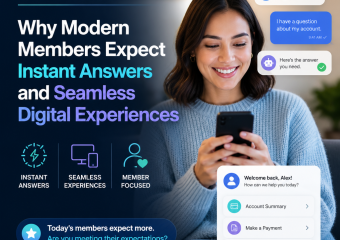
Questions about membership benefits, event schedules, renewal dates, and directory listings arrive by email, phone, and website forms. An AI-powered chatbot or email assistant can answer common questions using approved chamber information.
It can also route unusual requests to the right staff member. To keep responses accurate, provide the tool with current policies and clearly defined limits. Questions involving sensitive member issues should always go to a person.
2. Drafting Newsletters and Member Updates
Chamber newsletters often require gathering announcements, writing introductions, and formatting event information. AI can turn staff notes, press releases, and program updates into draft newsletter content.
It can also suggest subject lines, shorten long announcements, or adapt a message for different audiences. Staff should verify dates, names, links, and claims before sending. AI can speed up the first draft, but the chamber’s voice and local knowledge still matter.
3. Creating Event Listings and Promotional Copy
Promoting networking events, workshops, and ribbon cuttings involves writing similar descriptions again and again. Give an AI tool the event’s purpose, audience, date, location, and registration details, and it can create a listing, social media captions, and a short email announcement.
A consistent template helps prevent missing information. Before publishing, check that the copy accurately describes the event and does not promise benefits or details that have not been confirmed.
4. Summarizing Meetings and Preparing Minutes
Board meetings and committee sessions generate lengthy notes and action items. With appropriate permission, transcription software can convert recordings into text, while AI can summarize key topics, decisions, and follow-up tasks.
This can make it easier to prepare draft minutes and share next steps. However, minutes may have legal or governance implications. A staff member should review the transcript and summary, confirm that decisions are recorded correctly, and follow the chamber’s privacy and record-retention policies.
5. Updating Member Records
Membership information can become outdated as businesses change addresses, contacts, services, or ownership. AI-assisted tools can help identify missing fields, standardize formatting, detect possible duplicates, and organize updates from forms or email.
This reduces manual data entry and makes directories and outreach lists more useful. Keep a clear approval process for changes, especially when handling personal information, and limit access to member data to authorized staff.
6. Producing Reports and Finding Trends
Chambers often need reports on event attendance, membership renewals, survey responses, and program participation. AI can help organize spreadsheet data, summarize survey comments, and highlight patterns, such as which event formats attract the most registrations.
These insights can support planning and help staff prepare reports faster. Still, AI-generated analysis should be checked against the original data. Small or incomplete samples can produce misleading conclusions, so use human judgment before changing programs or making public claims.
7. Researching Local Issues and Business Resources
Chamber staff may need to track local policy updates, find grant opportunities, or gather background information for a business briefing. AI research tools can create an initial summary, organize sources, and suggest questions for further investigation.
Treat the output as a starting point, not a final authority. Verify important facts with original documents and reliable sources, particularly when research involves regulations, funding eligibility, or public policy.
Start Small and Keep People in Control
AI is most useful when it takes repetitive work off staff members’ plates without replacing the relationships that make a chamber valuable. Choose one time-consuming task, such as drafting event listings or sorting routine inquiries, and test a tool using low-risk information.
Before adopting it more widely, set rules for privacy, access, accuracy, and human review. A practical workflow saves time while keeping staff responsible for final decisions. Used thoughtfully, AI can give chamber teams more room to focus on members, local businesses, and the community they serve.